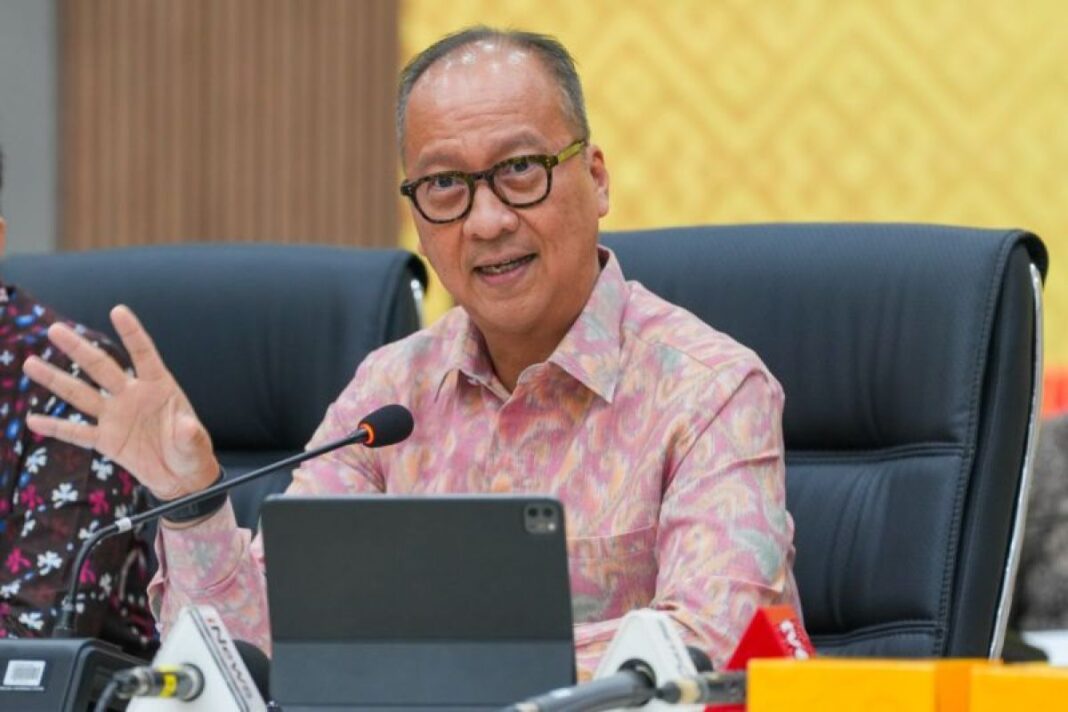

The Ministry of Industry is urging small and medium enterprises (SMEs) across Indonesia to leverage technology, citing the rapid expansion of digital economic transactions within the country. This call aims to bolster market reach and enhance the competitiveness of SMEs amidst evolving global challenges.
Industry Minister Agus Gumiwang Kartasasmita emphasized that digital transformation is a critical component for SMEs to broaden their market presence and improve their standing against increasing competition, including from imported products. He highlighted the importance of strengthening online promotional efforts as a key strategy for growth and development.
To facilitate this, the ministry is consistently implementing digital literacy programs. These initiatives are designed to empower SMEs to effectively utilize digital marketing tools for expanding their market access. The programs involve collaboration with various stakeholders, including regional industry offices, academic institutions, and industry and business practitioners, to ensure their effectiveness and sustainability.
Statistical projections underscore the significant growth in Indonesia’s digital landscape. A survey by the Indonesian Internet Service Providers Association (APJII) predicts that the number of internet users in Indonesia will reach 229.43 million by 2025. Additionally, data from the Ministry of Trade projects e-commerce users to total 73.06 million in 2025, marking an 11 percent increase from 2024 and an 89 percent jump compared to 2020 figures.
A collaborative report by Google, Temasek, and Bain & Company estimates that the value of e-commerce transactions in Indonesia will approximate Rp192.8 trillion (US$71 billion) in 2025. To help SMEs capitalize on this potential, the government is intensifying digital literacy workshops in partnership with relevant parties.
Reni Yanita, the ministry’s Director General of SMEs, affirmed that digital marketing is essential for businesses, particularly SMEs, offering distinct advantages over conventional marketing. She also pointed to the growing opportunities presented by artificial intelligence (AI) in marketing strategies. AI, she explained, can enable personalized promotions, predict market trends, and analyze customer behavior with greater accuracy, thereby significantly boosting marketing effectiveness.
Since its inception in 2017, the Ministry of Industry’s e-Smart IKM program has engaged 31,634 SMEs through a variety of digital literacy activities.
Source: Original