
A two-week ceasefire agreement between the United States and Iran has led to the temporary reopening of the Strait of Hormuz, prompting international reactions and significant shifts in global markets. US President Donald Trump hailed the truce as a “big” moment for world peace, suggesting Iran was ready for the development.
Australian Prime Minister Anthony Albanese welcomed the ceasefire but publicly criticized previous threats made by Mr. Trump, describing them as “extraordinary” and inappropriate for a US president. The Prime Minister noted the substantial global economic impact of the conflict, which had affected Australians. Opposition Leader Angus Taylor also welcomed the ceasefire outcome but refrained from echoing Mr. Albanese’s direct criticism of Mr. Trump’s language. New Zealand’s Foreign Minister Winston Peters met with US Secretary of State Marco Rubio, requesting US assistance with fuel tankers in the Pacific to ease economic pressure stemming from the Middle East conflict.
Domestically, the Australian share market rallied, with the S&P/ASX200 up 2.47%, and the Australian dollar strengthened against the US dollar. Global oil prices, including Brent and West Texas benchmarks, dropped below US$100 a barrel, leading to an almost 8% decline in the value of ASX-listed energy companies. Federal Energy Minister Chris Bowen acknowledged the volatility in fuel prices, stating that a permanent end to the conflict would be the ultimate solution for price stability. Meanwhile, fuel shortages in New South Wales continued to ease, with state government data showing a reduction in service stations without diesel or all fuel types.
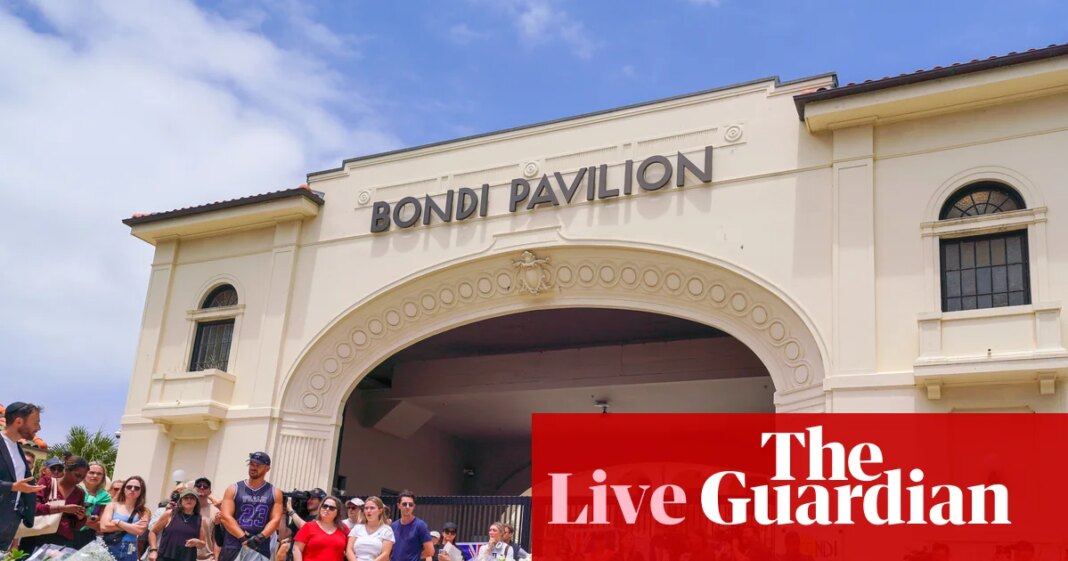
In other news, survivors of the Bondi terror attack are seeking identity suppression in ongoing court proceedings against alleged gunman Naveed Akram. Crown prosecutors applied to vary an existing interim suppression order, with a hearing set for May 6. The attack on December 14 at a Hanukah festival at Bondi Beach allegedly resulted in 15 deaths by Akram, 24, and his father, Sajid Akram, 50, who was killed by police at the scene. Naveed Akram faces 59 charges, including 15 counts of murder and a terrorism charge, which investigators suggest may have been “inspired by Isis.”
The Australian transport industry is also voicing concerns over rising diesel demand and fuel costs. Unions and transport employers have approached the Fair Work Commission, advocating for large clients to calculate fuel prices weekly instead of monthly and to absorb the resulting additional costs throughout the supply chain. Transport Workers’ Union secretary Michael Kaine warned that without such changes, the road transport industry, crucial to the Australian economy, could face an existential crisis.
A two-week ceasefire agreement between the United States and Iran has resulted in the temporary reopening of the Strait of Hormuz, leading to notable shifts in global markets and international diplomatic responses. U.S. President Donald Trump hailed the truce as a significant step for world peace, suggesting Iran was now open to the arrangement.
Australian Prime Minister Anthony Albanese welcomed the ceasefire, while also voicing rare criticism of previous threats made by Mr. Trump. The Prime Minister described the former president’s rhetoric as “extraordinary” and “not appropriate,” highlighting the substantial global economic impact of the Middle East conflict on Australians. Opposition Leader Angus Taylor also expressed support for the ceasefire but indicated he would not have used similar language as Mr. Albanese in addressing Mr. Trump’s statements. New Zealand’s Foreign Minister, Winston Peters, met with U.S. Secretary of State Marco Rubio in Washington, requesting that the U.S. dispatch fuel tankers to the Pacific region to alleviate economic pressures caused by the ongoing conflict.
Domestically, the Australian share market experienced a rally, with the S&P/ASX200 index climbing by 2.47%. The Australian dollar also saw an increase against its U.S. counterpart. Globally, crude oil prices, including both Brent and West Texas benchmarks, fell below US$100 per barrel, leading to a nearly 8% decrease in the value of energy sector companies listed on the ASX. Federal Energy Minister Chris Bowen noted the current volatility in fuel prices and stated that a lasting resolution to the conflict would provide the most significant relief. Meanwhile, data from the New South Wales government indicated a continued reduction in the number of service stations experiencing fuel shortages.
In ongoing legal proceedings, additional survivors of the Bondi terror attack are seeking court orders to protect their identities. Crown prosecutors have applied to modify an existing interim suppression order, with a hearing scheduled for May 6. The attack occurred on December 14 at a Hanukah festival on Bondi Beach, allegedly carried out by Naveed Akram, 24, and his father, Sajid Akram, 50, who was killed by police at the scene. Naveed Akram faces 59 charges, including 15 counts of murder and committing a terrorist act, which investigators allege may have been “inspired by Isis.”
Separately, the Australian road transport industry has raised alarms over the impact of rising diesel demand and escalating fuel costs. Transport unions and employers are presenting a case to the Fair Work Commission, proposing that major clients be compelled to calculate fuel prices weekly instead of monthly, with the additional costs being passed through the supply chain. Michael Kaine, secretary of the Transport Workers’ Union, warned that the industry, which forms the backbone of the Australian economy, faces an “existential crisis” if these issues are not addressed.
Source: Original