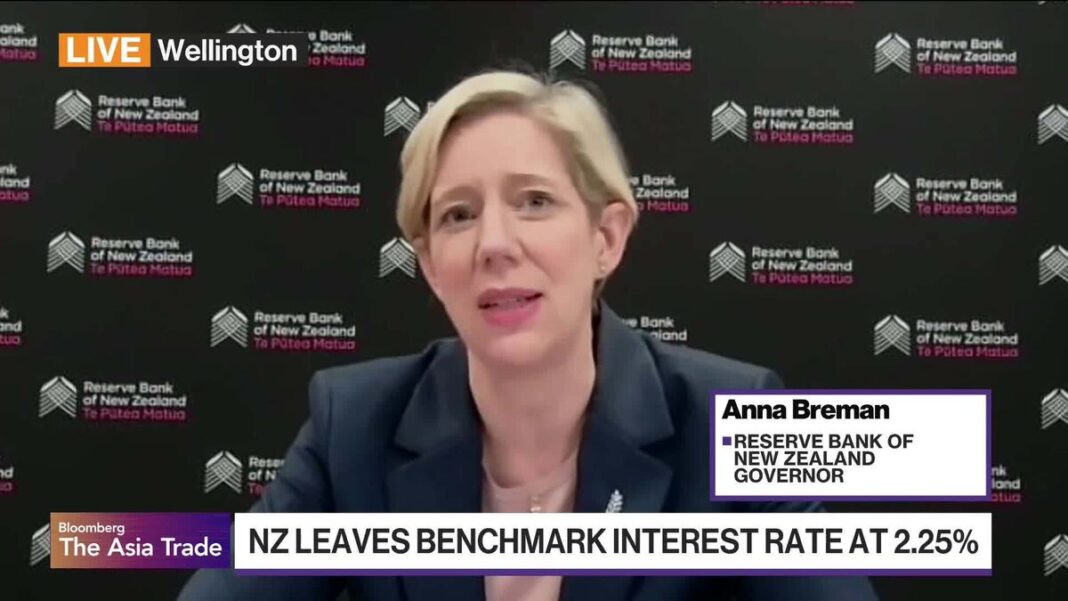

Reserve Bank of New Zealand (RBNZ) Governor Anna Breman has indicated that the central bank stands ready to implement interest rate increases if there is an acceleration in core inflation. This proactive stance is being communicated as global fuel prices experience significant upward pressure, primarily driven by ongoing conflict in the Middle East.
Governor Breman’s statement underscores the RBNZ’s commitment to maintaining price stability within the New Zealand economy. The focus on “core inflation” highlights the central bank’s vigilance towards underlying and persistent price pressures, distinguishing them from temporary or volatile price movements. A sustained rise in core inflation would signal a broader entrenchment of higher prices across goods and services.
The current surge in fuel costs is identified as a critical factor that could contribute to inflationary trends. Geopolitical tensions and instability in the Middle East have had a direct impact on international oil markets, leading to elevated prices for crude oil globally. These higher energy costs often translate into increased operational expenses for businesses and higher costs for consumers, feeding into broader inflation.
Should these external pressures translate into a notable rise in New Zealand’s core inflation metrics, the RBNZ has signaled its preparedness to respond with tighter monetary policy. Raising interest rates is a conventional tool employed by central banks to moderate economic demand. By making borrowing more expensive, it aims to cool spending and investment, thereby reducing upward pressure on prices and bringing inflation back towards the central bank’s target.
This forward guidance from the RBNZ Governor provides clarity on the central bank’s strategy to navigate challenging global economic conditions. The institution’s mandate includes ensuring the long-term stability of the New Zealand dollar and maintaining general price stability for the economy.
The central bank will continue to closely monitor a range of economic indicators, including consumer price index data, wage growth, and global commodity prices, to inform its policy decisions. Governor Breman’s remarks emphasize a resolute approach to addressing any emerging inflationary threats to safeguard the purchasing power of New Zealand households and businesses.
Source: Original