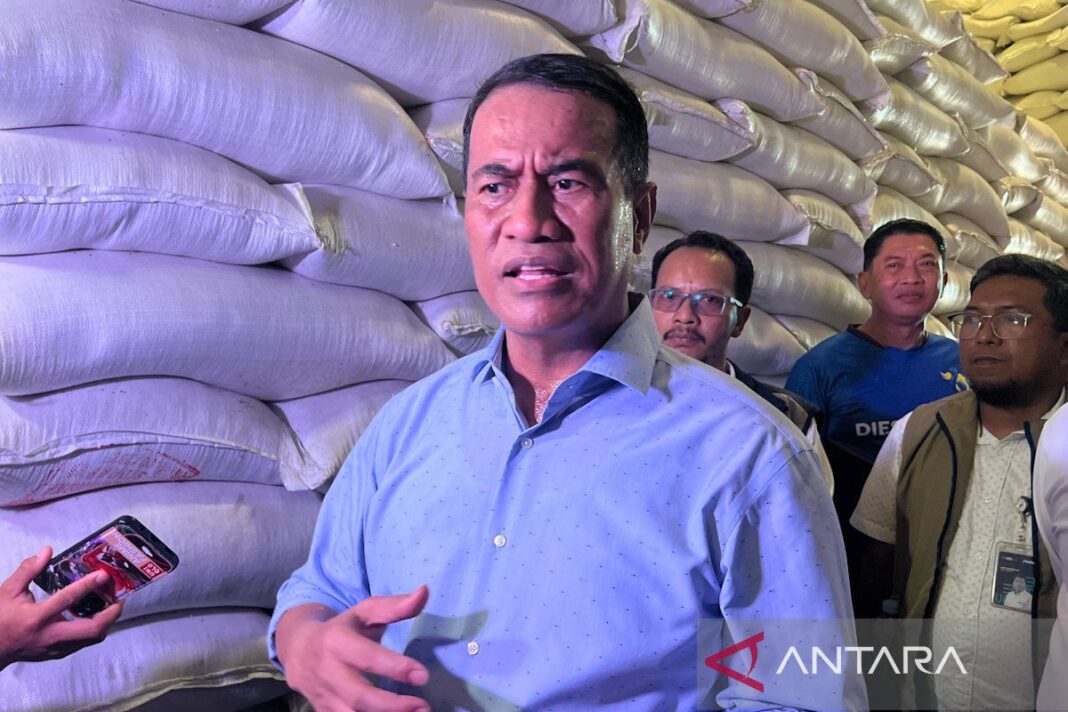

Indonesia is preparing extensive measures to counter the potential effects of El Niño on national food production, according to Minister of Agriculture Andi Amran Sulaiman. Speaking recently in Makassar, South Sulawesi, Minister Sulaiman affirmed that the government possesses prior experience managing extreme weather conditions, citing instances in 2015, 2023, and 2024.
The Minister acknowledged reports of a possible “Godzilla” El Niño that could lead to six months of drought but expressed confidence in the country’s capacity to manage such an event, comparing it to the severe El Niño witnessed in 2015. Strategic actions include enhancing production systems, expanding irrigation pumping, and making better use of swamplands.
As part of these efforts, the Agriculture Ministry plans to optimize the use of 80,158 water pumps, which are scheduled for distribution to farmer groups in 2025. These pumps are intended to address potential drought conditions forecast to commence in April 2026. Furthermore, the government aims to acquire an additional 40,000 water pumps this year to prepare for any prolonged drought and ensure a consistent water supply for agriculture.
Minister Sulaiman assured the public that there is no need for concern regarding the current extreme weather, emphasizing that Indonesia’s defenses are strong due to existing pumping infrastructure, irrigation systems, and ongoing cultivation of swampy areas.
He also underscored the robust state of national food security, supported by ample rice stocks. Government rice reserves stored in State Logistics Agency (Bulog) warehouses reached an unprecedented 4.5 million tons in early April 2026. This figure represents an all-time high for the agency.
Beyond government holdings, Minister Amran also pointed to significant food availability in other sectors. The hotel, restaurant, and catering industries collectively held 12.5 million tons, while standing crops ready for harvest contributed another 11 million tons. Based on these figures, he estimated that national food requirements could be met for an extended period, projected to last for 11 months, even beyond the anticipated peak drought phase.
Source: Original