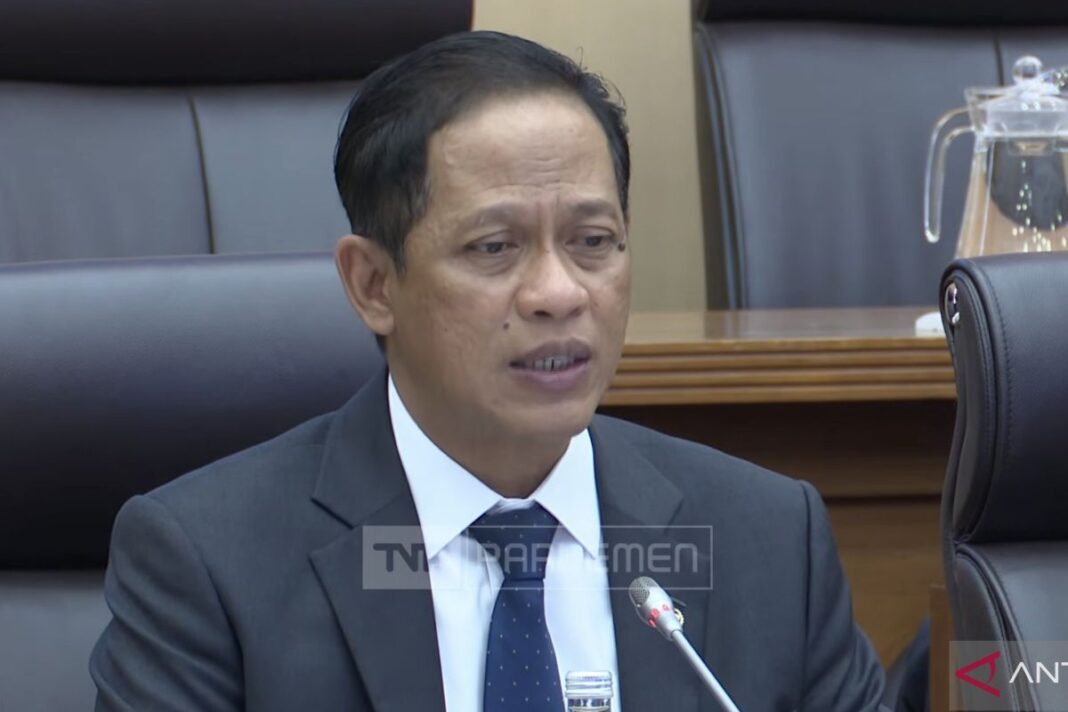

Jakarta – The national waste management rate has reached 26 percent, a significant increase from figures reported in 2024, according to Minister of Environment Hanif Faisol Nurofiq. The minister announced the progress during a working meeting with Commission XII of the Indonesian House of Representatives (DPR RI) in Jakarta on Monday.
Nurofiq stated that the current 26 percent rate represents a 16 percent increase compared to 2024. He attributed this improvement largely to the dedicated efforts of district and city governments to eliminate open dumping practices at various landfill sites across the country.
Data from the ministry indicates that the nation generates approximately 141,926 tons of waste daily, with 37,001 tons currently being managed. The majority of this managed waste is directed to landfills, while the informal sector processes about 9,450 tons per day. Other methods include composting facilities, 3R (Reduce, Reuse, Recycle) waste management sites, and waste banks.
The minister projected that if open dumping is entirely eradicated and waste recovery facilities are fully activated, the daily managed waste volume could rise to 44,000 tons this year. This goal supports the national target to manage at least 57.75 percent of total waste by 2026. However, this year’s National Medium-Term Development Plan (RPJMN) sets a more ambitious target of 63.4 percent for waste management.
To bridge the gap between current achievements and targets, the government plans to intensify efforts to eliminate illegal landfills, particularly in major urban areas. A key initiative is the establishment of waste-to-energy (PSEL) plants in 33 locations nationwide. This program, initiated under a directive from President Prabowo Subianto, aims to address waste emergencies in regions accumulating over 1,000 tons of waste daily.
Additionally, the government is implementing various waste processing technologies, such as refuse-derived fuel (RDF) and advanced composting, tailored to meet specific regional requirements.
Source: Original